Day 11 of 20 in the tzolkin

Chuwen

monkey / artisan

The artisan and the trickster, same hand.

  • creativity
  • play
  • weaving
  • mischief

Chuwen is the monkey-artisan — a figure the Maya treated as both holy and ridiculous, because making things is both. The nawal weaves: stories, textiles, jokes, the social fabric. It also unweaves, when something has stiffened past usefulness.

People born under Chuwen are often visibly creative — artists, writers, performers, designers — but the deeper signature is more interesting than that. They are pattern-makers. They notice how a room is composed, how a meeting is choreographed, how a relationship has been arranged, and they can rearrange it without seeming to try.

On a Chuwen day, make something. The nawal isn't picky — a meal, a playlist, a sketch, a redecorated corner. Play is the right instrument; productivity isn't. Humor lands today, and so does the gentle prank that loosens a stuck dynamic.

A trecena opened by Chuwen is generative and a little chaotic. Bring the materials; let it surprise you.
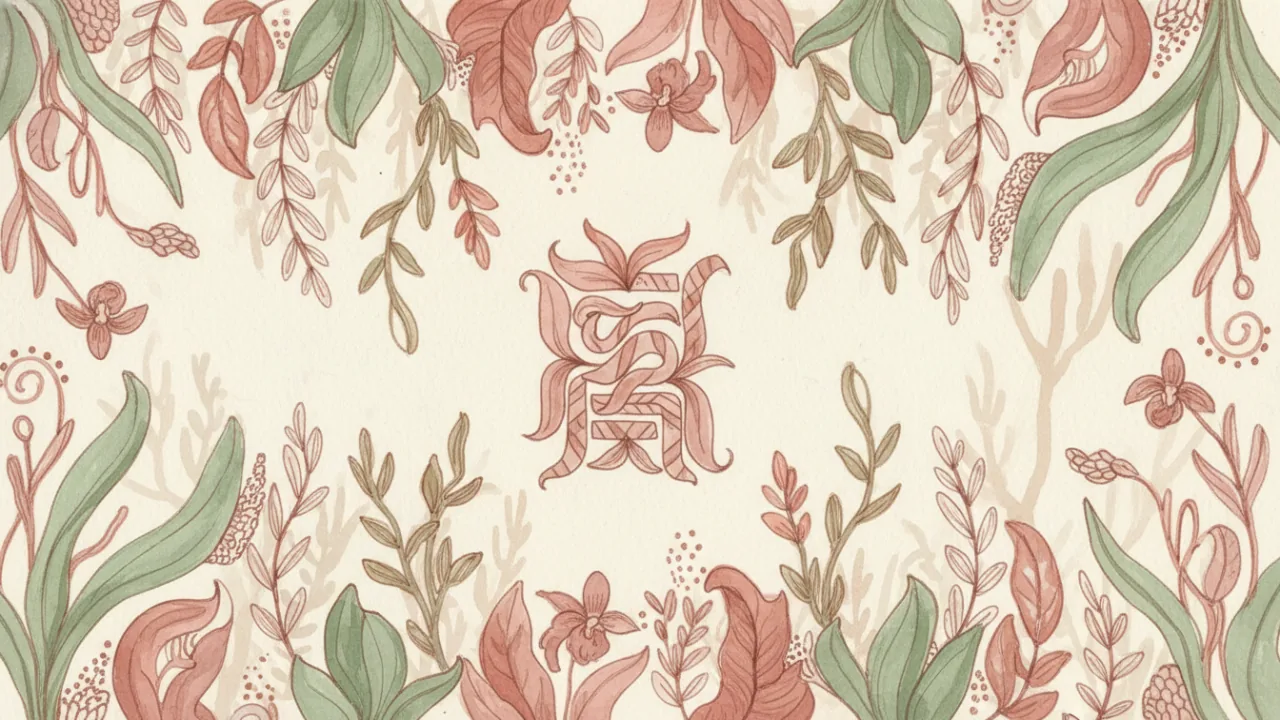
Watercolor scene evoking the energy of the Maya day sign Chuwen

Cosmology and origins

Chuwen is the eleventh of the twenty nawales, and the Maya placed it where they did for a reason. By the time the count reaches Chuwen, the great forces have already arrived — water, breath, night, seed, serpent, transition, hand, star, jade, dog. What is left is the question of what to do with all of it. Chuwen is the answer the artisans gave: you weave it. You take the threads of the world and put them through a loom, and what comes out has both the gods' patterns and the maker's fingerprints.

The classical glyph for Chuwen carries the howler monkey's profile — the same monkey that, in the Popol Vuh, is one of the elder half-brothers of the Hero Twins, transformed into a craftsman of carving, painting, music, and dance after his fall from human shape. The Maya did not file this story under tragedy. They filed it under explanation: this is how the world acquired its arts. The patron of scribes and weavers had to be both holy and a little ridiculous, because making things is both.

In the highland K'iche' tradition that still keeps the count today, Chuwen days are tied to the hearth, the loom, and the workshop. Daykeepers will note that an apprentice often shows up to begin training on a Chuwen day without anyone planning it that way. The nawal pulls toward making — and toward the older idea that craft is sacred work, not a hobby that earns its keep by selling.

As a birth-sign

People born under Chuwen carry the artisan's double signature: the patient hand and the playful eye. They are pattern-makers in the broad sense — yes, the obvious creatives, but also the ones who notice that a kitchen is laid out wrong, that a meeting agenda has the items in the wrong order, that a friendship has fallen into a script no one chose. They can rearrange the pattern, often without seeming to try, and the room exhales because something finally fits.

Chuwen people are usually funny. Not the brittle, performing funny that needs an audience to validate it, but the warm, inventive funny that loosens a stuck conversation and gets the work moving again. Many of them grew up as the family's translator between generations or factions — the one who could make grandfather and grandson laugh at the same joke. That gift becomes a vocation later, even if the job description never names it.

The other deep current under Chuwen is fidelity to the made thing. Despite the trickster reputation, Chuwen-born people tend to be fiercely loyal to whatever they're actually building — a manuscript, a recipe, a long marriage, a small business. They will pull a thread out and re-do an entire row rather than let a flaw stand. That patience surprises people who only saw the playful surface and assumed there was nothing serious underneath.

Day-energy in practice

On a Chuwen day, make something. The nawal is genuinely not picky about scale: a meal, a playlist, a sketch on a napkin, a freshly arranged corner of the bedroom, a letter you have been meaning to write. What matters is that something gets shaped by your hand today. Productivity in the metric-driven sense is the wrong instrument; play is the right one. The output of a Chuwen day rarely shows up on a quarterly review, but it tends to be what you remember a year later.

The energy is collaborative. Chuwen days are good for inviting other hands into the work — the studio session, the pair-programming afternoon, the kitchen full of people chopping. Solo making works too, especially the kind where you put the radio on and lose track of time. What does not work is grim solo grinding with the door closed. The nawal gets sulky and the work goes flat.

Humor lands today. So does the gentle prank that loosens a dynamic that had stiffened — the well-timed teasing remark, the absurd analogy that makes the actual point land. Chuwen also rewards the small ritual of un-making: sweeping the studio, wiping the kitchen counter, undoing yesterday's bad sentence so today's better one has room. The loom needs a clean shed before the next pass.

Practices and tradecraft

Daykeepers who work with Chuwen often suggest a simple practice: keep a making-bench somewhere in the house. It does not need to be large or impressive — a corner of a desk, a windowsill, a basket of yarn under a chair. What matters is that there is a place where unfinished work is allowed to live without being tidied away. Chuwen feeds on visible making, and a household with no such corner tends to drain its creative people without anyone noticing why.

On Chuwen days specifically, the traditional offerings are small and material: a bit of cloth, a coin, a thread tied around a candle, a piece of bread set aside before the meal. The point is not the value but the act of giving back something made. Some daykeepers also recommend cleaning a brush, oiling a tool, or sharpening a knife — small acts of tradecraft maintenance that the nawal recognizes immediately. A neglected tool is a Chuwen offence; a cared-for one is a Chuwen prayer.

For longer rhythms, Chuwen pairs well with the practice of seasonal making. A piece of weaving, woodwork, or writing started on one Chuwen day and returned to on the next is a thirteen-day cadence the nawal will hold for you across years. Many traditional weavers learned this from grandmothers without anyone calling it a discipline. It is, however, a discipline — and one of the most reliable ways to befriend Chuwen as an adult who didn't grow up inside the count.

Tradeoffs and shadow side

The shadow of Chuwen is the trickster turned cynic. The same intelligence that notices the choreography of a room can curdle into mockery — a smart, funny voice that takes nothing seriously because taking things seriously feels dangerous. Chuwen-born people sometimes hide behind their own wit for years before realizing it has cost them the thing they actually wanted to make. The nawal asks for play, not for performance; the difference is whether you put yourself into the work or use the work to avoid yourself.

Another classical tradeoff is the unfinished pile. Pattern-makers love the moment a pattern reveals itself, and lose interest when the work becomes execution. A house full of half-done projects is the most ordinary Chuwen failure mode — and not necessarily a moral problem, but a signal. When the pile gets oppressive, the answer is usually not heroic finishing but ruthless choosing: keep three, release the rest, and stop pretending you owe completion to a self you no longer are.

The third shadow is harder. Chuwen, the trickster, can rearrange other people's lives without consent — well-meant interference dressed up as helpful insight. The line between rearranging your own room and rearranging someone else's is the line between artistry and meddling. The nawal's mature work is to keep the loom on its own bench, and to be invited before adjusting anyone else's pattern.

Trecena rhythms

A trecena that opens on 1 Chuwen runs generative and a little chaotic. The first three days carry the nawal's freshness — ideas arrive faster than they can be sorted, and the temptation is to start ten things and finish none. The advice the daykeepers give here is simple: catch the ideas, but pick one to actually make. The others will keep on the shelf longer than you expect.

The middle of the trecena, around days six through nine, is where the chaotic opening becomes real material. Drafts thicken. The dish gets tasted and adjusted. Collaborators show up and shift the design in ways you would not have invented alone. This is when Chuwen's deeper gift — patient making — comes online behind the playful surface. Many Chuwen-led trecenas produce their best work in this stretch, quietly, while the maker is having too much fun to notice.

The closing days, eleven through thirteen, ask for a small finishing pass. Not the perfectionist's varnish, but the artisan's signature — the moment when you decide the piece is done enough to be released. Chuwen-led stretches that fail to reach this finishing gesture tend to leak energy into the next trecena. Bring something to a close, even something small, before the count rolls on.

Frequently asked questions

  • What does Chuwen mean in Maya astrology?

    Chuwen (Yucatec) or B'atz' (K'iche') is the 11th day sign. It means monkey and thread, and is the patron of artisans, scribes, weavers, and performers — the nawal that weaves the thread of time.

  • What is the K'iche' name and direction for Chuwen?

    K'iche' day-keepers call this nawal B'atz', meaning thread. Its cardinal direction is West, its color blue — the receptive, transformative quadrant linked to sunset and the ancestors.

  • What is Wajxaqib' B'atz'?

    Wajxaqib' B'atz' (8 B'atz') is the K'iche' Maya New Year ceremony, held every 260 days. Highland Ajq'ijab' use it to initiate new day-keepers and open a fresh Cholq'ij cycle, which is why many treat B'atz' as the true tzolkin start.

  • Who are Hun Batz' and Hun Chuen?

    In the Popol Vuh they are the elder half-brothers of the Hero Twins — gifted scribes, musicians, painters, sculptors. Tricked up a tree by the Twins, they were turned into monkeys and honored as patrons of all crafts.